Showing posts with label salvia. Show all posts

Tuesday, October 5, 2021

Bog Salvia

 Salvia uliginosa, the bog sage, is a species of flowering plant in the family Lamiaceae, native to southern Brazil, Uruguay, and Argentina. It was described and named by botanist George Bentham for its typical habitat "of swamps and marshes", or uliginosa.


In the above photograph, you will see the bog Salvia attracts dragon and damsel flies and bees. 


The height is approximately up to 50 inches. Even though it is not native to Texas it is popular with pollinators. 


What Attracts Pollinators, Color, Scent, or Something we Cannot Percieve?

COLOR
Blue flowers create a cooling effect in landscape design and this cornflower blue is lovely.
The Werner's nomenclature of colors has three blues that could describe the ombre of blue shades found in the flowers. "The upper side of the wings of the small blue Heath butterfly, borage flowers, azure or lapis lazuli stone, flax flower, blue copper ore, wings of the devil's butterfly, blue sapphire gem, hepatic flowers  and the wing feathers of the Jay."
Bees find purple, blue, and yellow flowers the most appealing.


SCENT
Salvia belongs to a family rich in amines and oils, the mint or Lamiaceae family. The mints have a wide range of scents, mint, lemon, sage, basil, and lavender. There are two salvias often  used in perfumes sage and clary sage. The sage leaves of Salvia officialis are described as "Odor profile: savory, aromatic culinary note with hazy, soft and mildly peppery aspects belonging to the salvia family." The clary sage leaves Salvia sclarea are described as, " Odor profile: A soft and sweet herbaceous fragrance with lavender, balsamic, and amber musky nuances."
Bees are attracted to sugar and sweet floral scents.


Blue Flower Symbolism
The blue flower of the Salvia is said to symbolize healing.


My Favorite color books:
Werner's nomenclature of colors


My favorite scent sites:
https://www.theparfumapothecary.com/


References                                                             
ITIS  Integrated Taxonomy Information System

___________________________________________________
All material © 2021 Hyden Photography 
for
 __________________________________________________


Salvia

__________________________________________________________________________
__________________________________________________________________________
Gardening with Sages

CREATING Autumn accents | Two Favorites


Vivid Scarlet Vermilion 
Pineapple Sage (Salvia elegans)


I consider pineapple sage an annual in my eco-region. It is a perennial in zones 8 and greater. Pineapple sage can usually be found in the herb section of your local nursery in the spring. Many people grow it for the lovely pineapple scented leaves and use the leaves for tea. The best luck I have had with both salvias is planting them along the edge of a retaining wall. The raised nature of a retaining wall allows for good drainage.


Lovely Lavender

Perennial Mexican bush sage  (Salvia leucantha) 


I have the 3-5' Mexican salvia and the more diminutive Salvia leucantha 'Santa Barbara'.  If you have ever grown Russian sage you will find this sub-shrub comparable excepting the shorter height of the plant makes it less likely to topple in winds and requires no support.  We usually get temperatures below 25 degrees so I considered it a perennial in zone 7b-8a.                                                         


       ˃˃

All material © 2007-2017 by Jeanette Hyden for Grassroots Horticulture
_____________________________________________________________________________________________________________________________________
______________________________________________________________________________________________________________________________________

Sunday, March 21, 2021

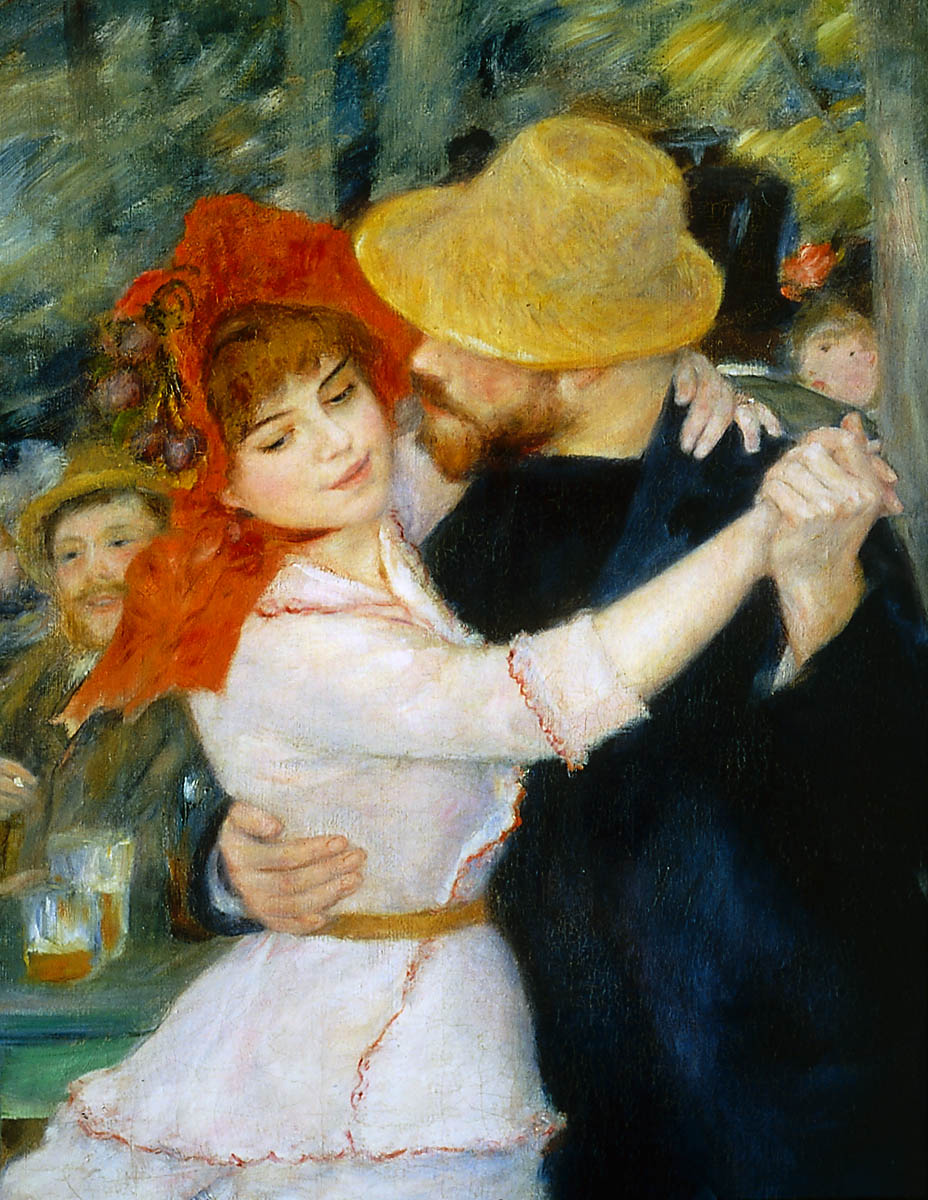
Palettes | A Renoir Palette


Rachelle Greayer’s book, Cultivating Garden Style, introduces the concept of using art for inspiration in your garden. I have been using the palette of Renoir's Dance at Bougival and the Texas spring prairie.

Museum of Fine Arts, Boston


  NAPLES YELLOW     

  CHROME YELLOW


  VERMILLION

  ALIZARIN CRIMSON

  FRENCH ULTRMARINE BLUE

  COBALT BLUE


  VERIDIA N

  EMERALD GREEN

  LEAD WHITE


Spring Prairie Palette
My mother gave me a beautiful basket and I filled it with bluebonnets and Indian paintbrush so I can have the colors of the Texas spring prairie throughout the year in my home.


In My Garden

In my garden the blue larkspur and bluebonnets dance in the spring breeze and later in the season the reds of the hummingbird bush, salvias and turks cap dance with the hummingbirds.


Another grouping is blackfoot daisy, dahlburg daisy, Denver dream miniature rose, and blue fescue. I am looking for a replacement for the blue fescue but otherwise this perennial rock garden does well in full sun. I am a big fan of miniature roses because they do not require as much attention as my other roses.


Fall Garden

My fall Renoir palette garden is for the hummingbirds. It includes hummingbird bush (Anisacanthus quadrifidus var. wrightii), pineapple sage, Texas sage, and turk's cap. I am looking for a good blue to include in this grouping.


The photograph below is a fall blue and red combination of salvias in a bed for pollinators.


Red | Texas Sage (Salvia coccinea)


A Lovely Dance in the Tearoom 

My daughter and I meet for lunch at the Dallas Arboretum Tearoom and enjoy the garden throughout the year. The room has a white adobe wash on the fireplace, white and blue on the tables and Chinese porcelain, and silver serving pieces along the walls in display cases. Clearly, the palette of the dancing pair. Japanese woodblock prints and the cobalt blue and white of the chinaware made a deep and lasting impression on the artists of The Impression Era.


Wednesday, July 26, 2017

Red, White, and Blue Salvia

__________________________________________________________________________
__________________________________________________________________________

Gardening with Salvias

CREATING a Pollinator Garden


Salvia greggii Berry Queen


Blue summer blooming flowers include salvia and skullcap.


The Salvia flower symbolizes thoughtfulness and compassion.


                                                                                                         ˃˃

All material © 2007-2017 by Jeanette Hyden for Grassroots Horticulture
_____________________________________________________________________________________________________________________________________
______________________________________________________________________________________________________________________________________

Saturday, April 9, 2016

More Spring Colors in the Garden

___________________________________________________
___________________________________________________


Phlomis are perennial herbs or shrubby plants native to the Mediterranean areas. Jerusalem-sage (Phlomis fruticosa) is a shrubby plant. It can grow up to 4 feet and will take on a mounding or spreading appearance. They are rather coarse growers, suitable for a wild garden. The leaves are crinkled, green, and sage-like with white beneath and generally have a hairy texture that helps conserve water. The yellow flowers are whorled and hooded, with widely-spaced multiple blooms on a single stem. Sunset Magazine lists this as a favorite perennial. Jerusalem-sage is a member of the mint family making it rich in aromatic compounds.


Gulf Coast Pentstemon is a perennial herb of the Plantaginaceae Family (plantain family), mostly native to North America. Also called Beardtongue, they thrive in a well-drained soil and are good plants for a flower border. This Pentstemon produces flowers in the early spring, on 1-2 foot slender stems, at the same time the irises bloom. My pentstemon is planted along the upper edge of a retaining wall. It is at eye level so it's fragile pastel pink/lavender flowers won’t go unnoticed by anyone strolling through the garden. It throws seeds into the walkway and these propagate readily but are not invasive.   


This 'Forest Pansy' Redbud tree has a beautiful deep crimson leaf with green veins. I think the insect is a katydid nymph.


Along the edge of my herb garden and pea rock path, Pink evening primrose has found a place to propagate. I pull most of the new seedlings but leave a few to add some excitement in the spring. These grow at the base of several rotund fennel that over-winter, without damage, in a protected corner of the garden. I keep the fennel for swallowtail larva to feed on in the late spring.

Southern Pink Moth
Pyrausta inornatalis
Charles Henry Fernald (1838 – 1921) wrote about the moth in, A List of North American Lepidoptera and Key to the Literature of this order of insect. The larva are very small and feed on salvia. 

Leaving holes in the newly formed buds, the larva chew with such vigor, that the actual flowers seldom have a chance to break open. Is this why my Mexican salvia are struggling so much? Above, this pink moth has made it's home on a scabiosa or pincushion flower. 


Grassroots Horticulture
2020
___________________________________________________
_________________________________________________________________________