I visited the Children's Garden on the campus at Michigan State University in East Lansing, Michigan. This was one of the earliest Children's gardens.
Michigan 4-H Groups were integral in the inspiration and design of the garden
As you take a journey along the path throughout the garden you find several aspects to create curiosity and spark the senses.
Splashes of color, wildlife topiaries add form and interest, and generous plantings of fuzzy leafed lambs ear add tempting texture.
An open gate in The Secret Garden entices visitors to explore the maze filled with storybook characters from Alice's Adventures in Wonderland.
The Cheshire cat and other characters greet you at every turn in the maze.
Concepts such as direction, time, and environmental impact are exhibited in a compass and tree growth rings.
Housing design, using basic natural elements.
RecommendeReferences.
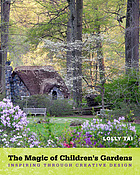
Tai, Lolly.
The Magic of Children's Gardens:
Inspiring Through Creative Design
2017
"Landscape architect Lolly Tai provides the primary goals, concepts, and key considerations for designing outdoor spaces that are attractive and suitable for children, especially in urban environments. Tia presents inspiring ideas for creating children's green spaces by examining nineteen outstanding case studies"--
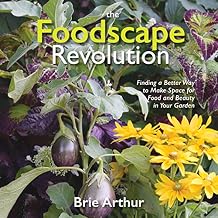
Arthur, Brie.
The Foodscape Revolution:
Finding a Better Way to Make Space for Food and Beauty in Your Garden
2017.
Jekyll, Gertrude.
Children and Gardens.
Amsterdam, The Netherlands: Fredonia Books, 2004.
Howard, Edwin L.
Children's Gardens.
Yardley, Penn: Westholme, 2007.
Themed Gardens including discovery gardens, fairy gardens, and gardens for the senses.
Give your cutting garden a sunny spot with well-drained soil. Prepare the planting area, making sure it is loose and weed-less. If possible, take time to work in compost and all-purpose organic fertilizer. The most efficient way to set up a cutting garden is to grow your flowers in rows, as you would vegetables.
Photographs Fall 2014
Lush flowerbeds overflowing with colorful blooms make you want to snip a few stems and take them inside. But if you're reluctant to pluck stems in your garden and leave bare spots, there's an easy solution: Just plant your own cutting garden. It doesn't necessarily have to be anything fancy; start by designating one flower bed for growing your favorite perennials and annuals for cutting. Then, if you find that you're using more flowers than you can grow in one season, you can always expand later on and plant a larger bed, or multiple cutting beds. You'll have cut flowers whenever you want, plus a full, gorgeous garden!
How to Start a Cut Flower Garden
Starting a cut flower garden is as easy as planting any other bed, but the location is a little more important because you don't want all those chopped off stems front and center. Follow these steps to create a flower bed just for cutting:
1. Choose the Best Spot
Select an inconspicuous location (such as along a garage or in a back corner of your yard) and be sure your cutting bed gets lots of sun and has rich, well-drained soil. A cutting bed offers plenty of planting freedom. Its sole purpose is to produce flowers and even foliage for you to cut, so don't worry about how it will look. You can mix and match colors, textures, heights, and varieties.
2. Keep It Simple
Make the bed simple to weed, feed, and cut by planting the flowers in rows. You might even make your cutting garden part of an existing vegetable or herb garden. The crop-style planting will blend right in, and your "production" gardens will be in one location. If you don't have gardening space to spare, spread cutting flowers throughout your existing beds; don't cluster them, or there'll be noticeable bare spots when you pluck them for arrangements
3. Plan Ahead
Planning will help you avoid creating gaps if your scissors don't get too much exercise. Draw your existing beds on paper, noting varieties, bloom times, and heights (or use an online garden planner to help you keep track of everything). Then pencil in the flowers you want to cut. Use bloom cycles as your guide to create a mix.
4. Plant a Variety of Perennials and Annuals
Plant a balanced mix of cutting perennials and annuals. Your favorite perennials will come back year after year, while annuals will let you experiment more easily. Both types make excellent cut flowers. The more colors, heights, and textures you grow, the more fun you can have creating indoor arrangements
5. Consider All Flowering Plants
Annuals and perennials usually get the most attention because they don't take up much space, but there are other plants that will also look beautiful in bouquets. Use flowering shrubs such as hydrangeas and lilacs, aromatic herbs such as lavender, and plants with interesting foliage to add pizzazz to your arrangements.
Cutting Garden Tips and Techniques
Once you've planted your garden, here's how to get the most out of your cut flowers
Stagger your planting of each flower variety so the blooms don't all appear and disappear at once.
Water, feed, and deadhead flowers regularly.
Cut flowers in the early morning or evening, not in the heat of the day when they are stressed.
Use a sharp, clean tool to cut stems. Cleanliness is key to long-lived blooms. Dirty tools spread bacteria, which will cause cut stems to rot more quickly.
Submerge newly cut stems in a bucket of water mixed with a flower preservative. Let the flowers rest in the bucket of water for one hour to rehydrate before arranging them.
Before arranging your bouquet, remove any foliage that will be covered by water
Celosia
Russian sage Salvia yangii, previously known as Perovskia atriplicifolia,
Russian sage Salvia yangii, previously known as Perovskia atriplicifolia
Russian sage Salvia yangii, previously known as Perovskia atriplicifolia
Russian sage Salvia yangii, previously known as Perovskia atriplicifolia
Russian sage Salvia yangii, previously known as Perovskia atriplicifolia
Russian sage Salvia yangii, previously known as Perovskia atriplicifolia
Russian sage Salvia yangii, previously known as Perovskia atriplicifolia
Blue beard Caryopteris Native to the Himalayas and East Asia
Blue beard Caryopteris Native to the Himalayas and East Asia
CREATING SPIRES AND SPIKES FOR SUMMER FLORAL ARRANGEMENTS
The common names for this plant are obedient plant or fall obedient plant, false dragonhead, and Virginia lions-heart. It is easy to grow and is adaptable to many hardiness zones.
The obedient plant has flower spikes that hold their position and shape in floral arrangements, hence their name.
Grapevine Botanical Garden, Grapevine, TX
Obedient Plant | Physostegia virginiana
Grapevine Botanical Garden, Grapevine, TX
Obedient Plant | Physostegia virginiana
My Grandmother referred to the fall flowering obedient plant as 'Steps to Heaven'. I can't find that name elsewhere so it must be a local colloquialism.
Obedient Plant | Physostegia virginiana
Obedient Plant | Physostegia virginiana
Obedient Plant | Physostegia virginiana
Obedient Plant | Physostegia virginiana Growing amidst Lily of the valley, underneath a Ginkgo tree, in a western exposure and dappled shade is Steps to Heaven (Physostegia virginiana).
Physostegia virginiana, USDA hardiness zone 6a 2014