Showing posts sorted by relevance for query medieval. Sort by date Show all posts

Friday, August 13, 2021

What is my garden style? Simply Medieval

________________________________________________________________________________
________________________________________________________________________________

#Medieval, #Medicinal, #Cloister, #Herb, #Ethnobotany, #Themed Garden

What is my garden style? Medieval.
Selections of many plants are by species. My interest is in biochemistry and history. Very practical, simply Medieval.
My herb garden is not always stunning, in fact, it is rarely pretty but it is more a place of experimentation. Culinary additives and food for butterfly larvae .... I don’t write about medicinal values in my blog but many people are aware of the benefits. Monasteries and cloister gardens were the places of inspiration and precursors to our modern medicinals.


Basil
Sweet basil and Thai basil are so rewarding to grow. They provide such a wonderful flavor to so many recipes including pestos. Sweet basil can reach 4 feet.
The purple basil, to most people, would be a nuisance, due to it prolific seeding, but I let it throw seeds into the lawn. When you walk across the yard the wafting licorice scent in the spring is a welcome greeting.   


Onion Family
Var.  society garlic (not chives)   
I have over 15 varieties of allium including basic green onions and garlic. Many of the onions are grown for ornament including gigantum and drumstick for the purple floral presentation in the spring. I have clusters of the variegated society garlic, Tulbaghis, not a true allium, planted along a bed on a hill. It helps break the wash of  water during rains and is more visually interesting than the liriope and mondo grass planted along other slopes to slow the rain. The sulfur in the onions has many benefits, too. Logic stands that If it repels humans it might repel our human nemesis, mosquitos.


Oregano
Lemon oregano has a phenomenal scent, grows gangbusters in zone 8 and survives through the winter. Lemon oregano is still nice to use in your Italian and Mediterranean recipes for a change.

The golden oregano is a beautiful chartreuse color. I like to use it under other tall plants as an accent. It will thrive and survive one summer and struggle others but I still like to use it throughout flower beds.


Rosemary
If you like to grill, break a few rosemary branches, soak them in water and use for shish-ka-bob.


Lavender
There are so many varieties to choose. English and French are popular but there is a trick to planting lavender. I plant lavender with Hummingbird mint or Giant hyssop, Agastache both require very little water.


Catnip
Nepeta Walker's Low is grown as a border plant and curiosity  in my garden. Catnip is supposed to act as an insect repellent. The low growing purple flowering silhouette fits in well at the edges of flower beds. Goldilocks and the Three Bears, graduated height style,  I have it planted with “tall” Peter’s purple monarda and “medium” white salvia greggi.


Fennel and Dill
Grown mostly for butterfly larvae. The dill and dill seed can be used in many recipes. I like to substitute it for salt when seasoning food. Fennel has a licorice flavor and is great in salads. I add dill to mashed potatoes on St. Patrick's Day.


Parsley and Cilantro
Both will do well during the winter but die back in the heat of the summer in zone 8.


Root Garden Bed

I have been experimenting with root plants. Gingers and turmeric are exotic. I put them all in one bed. The foliage dies back but returns in the spring. Variegated ornamental ginger is a favorite so I have added this to the culinary ginger and turmeric. Variegated varieties abound in my garden basically drawn to add interest in a “dark” shady garden, rather than cut down our native oak trees.


"Much as architectural elements from different periods and locales in medieval Europe were transported ...... the herbs, fruits, and flowers growing in the gardens were transplanted, traveling across time and space to their home at The Cloisters."2

References    
2"The Medieval Garden Enclosed | The Metropolitan Museum of Art ..." 2008. 19 Jan. 2014
;http://blog.metmuseum.org/cloistersgardens/.

●  The Medieval Garden

https://blog.metmuseum.org/cloistersgardens/2013/10/24/transplanting-the-medieval-garden/
                 

●Kew Medicinal Plants
https://mpns.science.kew.org/mpns-portal/
https://mpns.science.kew.org/mpns-portal/version
https://www.kew.org/science/our-science/science-services/medicinal-plant-names-services


●Funded by World Bank, ENVIS is a decentralised information system network
http://envis.frlht.org/

●Ethnobotany http://naeb.brit.org/


●Pinterest
          Medizinal Pflanzen 1887
          Kohler's Medicinal Plants (1887)
          Medieval Gardens (c.400 - 1500)


©  Grassroots Horticulture

Friday, December 3, 2021

Ginger

___________________________________________________

Gardening 

CREATING fragrance in your woodland garden 

Ginger flower


Image result for ginger root plant
African ginger
Jamaican ginger
Japanese or Korean ginger (Zingiber mioga), use in a woodland garden


White Ginger Lily  (Hedychium coronarium)


White Ginger Lily  (Hedychium coronarium)


References:

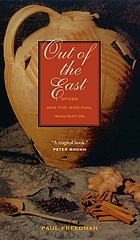
Out of the East : spices and the medieval imagination
Freedman, Paul. Out of the East: Spices and the Medieval Imagination. New Haven: Yale University Press, 2008. Print.

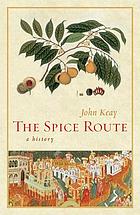
The spice route : a history
Keay, John. The Spice Route: A History. Berkeley: University of California Press, 2006. Print.

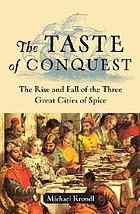
The taste of conquest : the rise and fall of the three great cities of spice
Krondl, Michael. The Taste of Conquest: The Rise and Fall of the Three Great Cities of Spice. New York: Ballantine Books, 2007. Print.

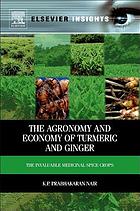
The agronomy and economy of turmeric and ginger : the invaluable medicinal spice crops.
Nair, K P. P. The Agronomy and Economy of Turmeric and Ginger: The Invaluable Medicinal Spice Crops. Burlington: Elsevier Science, 2013. Internet resource.


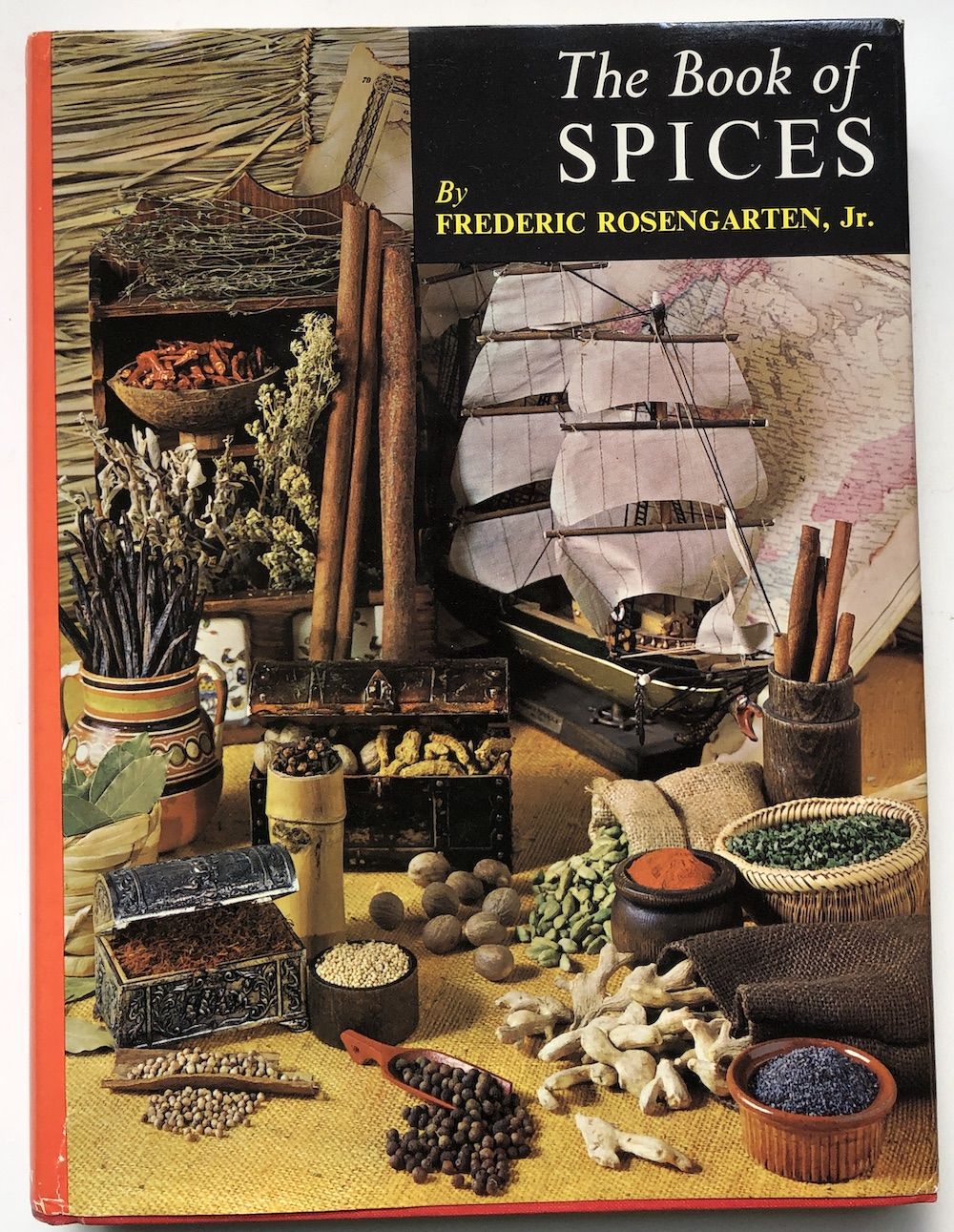
Rosengarten, Frederic. The Book of Spices: [the Colorful and Fascinating History of Spices and Their Place in the World Today]. New York: Pyramid Books, 1973. Print.

Image result for Swahn, Jan-Öjvind. The Lore of Spices: Their History, Nature and Use
Swahn, Jan-Öjvind. The Lore of Spices: Their History, Nature and Uses Around the World. Accokeek, MD: Stoeger Pub, 2001. Print.


All material © 2021 by Jeanette Hyden for Grassroots Horticulture
___________________________________________________________________________________
___________________________________________________________________________________

Friday, August 13, 2021

Themed Garden | Herb Choices for All Seasons

#Medieval, #Medicinal, #Cloister, #Herb, #Ethnobotany, #Themed Garden


Hot Season            

These are a few of the plant choices I have selected for my herb garden. 
Pineapple Sage (Salvia elegans)


I consider pineapple sage an annual in my ecoregion (7b). It is a perennial in zones 8 and greater. Pineapple scented sage grows naturally in oak and pine scrubforests at elevations from 8,000 - 10, 000 ft in Mexico and Guatemala. Propagation for the pinapple sage is the most successful from tip cuttings taken in the spring. Pineapple sage, (Salvia elegans) can be found in the nursery in the spring.The best luck I have had with salvias are plantings along the edge of a  retaining wall in part sun. The raised nature of the retaining wall allows for good drainage.
The fresh leaves of the lovely scented pineapple sage are used for tea, fruit salads and drinks. Crush a few fragrant leaves into hot or iced tea for a flavorful treat. The delicious flowers add color and flavor to salads and deserts.

Berggarten Sage, Garden Sage, Common Sage
Salvia officinalis
Lamiaceae Family
Origin: Mediterranean basin


Catnip


GOLDEN OREGANO
Lamiaceae Family
RUBMIN
LAVENDER

FOR

bASIL VARIETIES OFFER DIVERSE FLAVORS AND SCENTS

This year we have expanded the varieties of herbs we are growing. Sweet basil is so easy to grow in our 7b-8a hardiness zone garden. This basil cultivar is the best choice for anything Italian like soups, sauces, and pesto. Other varieties include Italian large leaf, lettuce leaf, Genovese, and Napoletano basil. Plants height is 14 to 30 inches tall. They are prolific in hot, sunny locations. 
If you harvest the top four leaves often, the plant will continue growing and producing the best sweetly flavored leaves for culinary use. These are the varieties of basil we are having success with so far: sweet basil, Aristotle, African blue basil, lemon basil, lime basil, cinnamon basil, lettuce leaf basil, Thai basil, spicy bush basil, and purple ruffles basil.


Sweet Basil (Ocimum basilicum)


Growing Basil

Basil is an easy to grow and often used culinary herb. Mediterranean  food is now becoming a very healthy choice for people watching their diet. Place in a sunny spot with good soil.


African blue basil
Ocimum kilimandscharicum × basilicum


African blue basil is a sterile perennial hybrid, with purple coloration on its leaves and containing a strong portion of actual camphor in its scent. This basil species is native to Kenya, Tanzania, Uganda, Sudan, and Ethiopia. 

Cinnamon basil (Mexican spice basil)
Ocimum basilicum 'Cinnamon'
Also called Mexican spice basil, with a strong scent of cinnamate, the same chemical found in cinnamon. 


Lettuce leaf basil
Ocimum basilicum 'Lettuce Leaf'

The lettuce leaf basil has leaves so large they are sometimes used in salads.

Thai basil
Ocimum basilicum var. thyrsiflorum

The Thai basil has a scent of licorice, small to medium leaves and purple flowers


Lemon basil
Ocimum americanum

Lemon basil contains citral and limonene, and smells very lemony. It has a sweet flavor.  It can be found under alternative names, hoary basil or Indonesian basil. 


Lime basil
Ocimum americanum


The Minimus Basil

Aristotle basil  (Ocimum minimum  'Aristotle')
rounded bush form with small delicate leaves

Neat, compact mounds of small leaves with a most delicious flavour make Basil 'Aristotle' a stunning ornamental, edible pot plant. The aromatic foliage adds flavour to all manner of dishes, particularly Italian recipes. This Greek basil is perfect for growing on the kitchen windowsill or in containers outside the back door. Height: 20 inches.


Xanthorrhoeaceae Family

Variegated Flax Lily (Dianella tasmanica 'Variegata')
Mexican Sage, Purple Basil, Holly, Autumn Sedum, Louisiana Iris


This Herb Garden includes fresh Garden Greens for Salads and Soups


Cool Season            


Fennel with umbrella-shaped flowers


Fennel, parsley, cilantro


All Season            

 Lemon Oregano | Origanum vulgare

_______________________________________________________________________________


This is an herb that has performed extremely well for me throughout each season, for several years. Oregano is a perennial herb and a native of the Mediterranean region frequently used in Italian dishes.

Plant outdoors 12 inches apart after all danger of frost has passed. Oregano needs only a moderately fertile soil to thrive.  
When flowers appear, oregano is ready to be harvested. About six weeks after planting, trim oregano shoots to within one inch of the center which will stimulate lush, bushy growth. 
The oregano will spread and establish additional roots. You can then dig the rooted oregano with a trowel to share with friends.


Propagation

Pinch off a few sprigs of  basil, mint, or lemon verbena. Place the sprigs in a canning jar or get fancy with a hollow stem goblet and add water. The roots should form within two weeks if you change the water often. 


If placed in a window with a southern exposure your room  will smell awesome. 


If you like the idea of a themed garden here are some other ideas: 
 Native, Desert, Rock, Butterfly, Wildlife,  ChildrensElizabethean/ShakespeareanHerbMedicinal/medieval/cloister, Victorian/parterre/knot, English, Chinese, Japanese, Color, Night (using white), and Cutting gardens

 ____________________________________________________________________________________
 ____________________________________________________________________________________