
__________________________________________________________________________
Themed Gardens
CREATING a Shakespeare garden
“I know a bank where the wild thyme blows,
Where oxlips and the nodding violet grows,
Quite over-canopied with luscious woodbine,
With sweet musk-roses and with eglantine.”


Plants in Shakespearean Literature
Shakespeare on Roses
____________________________________________________________________________________________________________________________________________________
__________________________________________________________________________
__________________________________________________________________________
///////_//////////////////

Lawn as white as driven snow Cyprus black as e'er crow. Gloves as sweet as damask roses. The Winter's Tale

Of all the flowers, me thinks a rose is best.

What's in a name? That which we call a rose by any other name would smell as sweet.

At Christmas I no more desire a rose
Than wish a snow in May's new-fangled mirth; But like of each thing that in season grows.

Yet nor the lays of birds nor the sweet smellOf different flowers in odour and in hueCould make me any summer's story tell,Or from their proud lap pluck them where they grew;Nor did I wonder at the lily's white,Nor praise the deep vermilion in the rose;They were but sweet, but figures of delight,Drawn after you, you pattern of all those.Sonnet 98

///////_//////////////////
|
Lawn as white as driven snow Cyprus black as e'er crow. Gloves as sweet as damask roses. The Winter's Tale |
|
Of all the flowers, me thinks a rose is best. |
|
What's in a name? That which we call a rose by any other name would smell as sweet. |
|
At Christmas I no more desire a rose Than wish a snow in May's new-fangled mirth; But like of each thing that in season grows. |
|
Yet nor the lays of birds nor the sweet smell Of different flowers in odour and in hue Could make me any summer's story tell, Or from their proud lap pluck them where they grew; Nor did I wonder at the lily's white, Nor praise the deep vermilion in the rose; They were but sweet, but figures of delight, Drawn after you, you pattern of all those. Sonnet 98 |
|
I know a bank where the wild thyme blows,
Where oxlips and the nodding violet grows,
Quite over-canopied with luscious woodbine,
With sweet musk-roses and with eglantine:
There sleeps Titania sometime of the night,
Lull'd in these flowers with dances and delight.
A Midsummer Night's Dream

Roses in the Garden
- Tahitian Sunset, hybrid tea rose
- The Charlatan, climbing rose
- Tiffany, hybrid tea rose
- Chrysler Imperial, hybrid tea rose
- Pink Peace, hybrid tea rose
- Pope John Paul II, hybrid tea rose
- Tahitian Sunset, hybrid tea rose
- The Charlatan, climbing rose
- Tiffany, hybrid tea rose
- Chrysler Imperial, hybrid tea rose
- Pink Peace, hybrid tea rose
- Pope John Paul II, hybrid tea rose
Additional Roses in the Garden
- Peggy Martin, climbing rose
- Climbing Pinkie, Polyantha rose
- Gemini, hybrid tea rose
If you are a fan of historical fiction as am I you would enjoy a visual journey to the seventeenth century through portraiture. I have posted a chronological gallery of noble portraits. Their lace collars frame the faces of that era. As Shakespeare was an acclaimed weaver in his own right the threads and motifs in the portraits tell stories and reveal metaphors as well.
Reference_________________________________________________________
Queay, Gerit, Sumié Hasegawa-Collins, and Helen Mirren. Botanical Shakespeare: An Illustrated Compendium of All the Flowers, Fruits, Herbs, Trees, Seeds, and Grasses Cited by the World's Greatest Playwright. , 2017. Print.
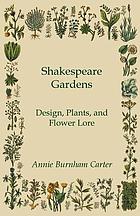 Carter, Annie B. Shakespeare Gardens: Design, Plants, and Flower Lore. , 2013. Print.https://catalog.hathitrust.org/Record/002012995
 Shakespeare, William, and Henry N. ELLACOMBE. The Plant-Lore and Garden-Craft of Shakespeare. by the Rev. H.n. Ellacombe. New Edition, Etc. Pp. xvi. 383. E. Arnold: London & New York, 1896. Print.https://catalog.hathitrust.org/Record/003918446
- Peggy Martin, climbing rose
- Climbing Pinkie, Polyantha rose
- Gemini, hybrid tea rose
If you are a fan of historical fiction as am I you would enjoy a visual journey to the seventeenth century through portraiture. I have posted a chronological gallery of noble portraits. Their lace collars frame the faces of that era. As Shakespeare was an acclaimed weaver in his own right the threads and motifs in the portraits tell stories and reveal metaphors as well.
Reference_________________________________________________________
Queay, Gerit, Sumié Hasegawa-Collins, and Helen Mirren. Botanical Shakespeare: An Illustrated Compendium of All the Flowers, Fruits, Herbs, Trees, Seeds, and Grasses Cited by the World's Greatest Playwright. , 2017. Print.
Carter, Annie B. Shakespeare Gardens: Design, Plants, and Flower Lore. , 2013. Print.
https://catalog.hathitrust.org/Record/002012995
Shakespeare, William, and Henry N. ELLACOMBE. The Plant-Lore and Garden-Craft of Shakespeare. by the Rev. H.n. Ellacombe. New Edition, Etc. Pp. xvi. 383. E. Arnold: London & New York, 1896. Print.
https://catalog.hathitrust.org/Record/003918446
References ITIS Integrated Taxonomy Information System
___________________________________________________
All material © 2021 Hyden Photography
for
__________________________________________________
No comments:
Post a Comment