
___________________________________________________
Gardening | Plant ID
Paddles, flowers, and fruits
The fruit of the prickly pear cactus is referred to as a tuna. I made a jelly several years ago before I learned there were many different types of tunas available. Now, I would like to try more recipes.

An article from Savour breaks down the wide array of tunas and their flavors:
"In late summer in Mexico, prickly pear cactus fruits, or tunas, are everywhere—a refreshing snack eaten out of hand and a popular ingredient in candies, drinks, jams, and more. In Oaxaca, they spoon a dollop of pureed tunas on top of horchata, the milky rice-almond drink, but you can use it just about anywhere you'd use an apple—in salads, for example, or even in tarts. The cactus grows wild all over Mexico; it's also cultivated on plantations. Cactus pads, or nopales, are eaten year-round, but it's only in summer that the fruits reach maturity. Varieties number in the hundreds, with flavor profiles ranging from creamy-sweet to brisk and tart. The dark nubs on the skin contain sharp spines, but these are easily removed by slicing off the ends of the fruit, making lengthwise incisions, and peeling back the rind to reveal the luscious flesh."
 I sampled many delicious varieties when I reported this issue's story on Zacatecan cuisine ("Mexico Feeds Me"); here are a few you might find in Mexican markets in the States: 1. The Juana (sometimes called roja) has large, chewy seeds and tart, crimson flesh. 2. The roja pelona, kiwilike in flavor, is free of thorns, and while the seeds of all tunas are edible, the ones in this variety are smaller than most. 3. The widely available cristalina, also known as zarca, is juicy and crisp, with a sweet flavor like that of a white peach. 4. The naranjona has a honey-sweet, subtly spicy flavor reminiscent of a ripe persimmon's. 5. The wild xoconostle has a sour and chewy, edible peel that is sometimes used in savory stews. 6. The most widely available wild variety, the cardona has soft seeds and a flavor that's both sweet and bitter, almost like a Luxardo cherry's. 7. The cuerno de venado has a floral flavor; its high water content and small seed size make it a favorite snacking tuna. 8. The yellow platanera has a tropical flavor like that of bananas, the fruit from which it takes its name."
Opuntia, commonly called prickly pear, is a genus in the cactus family, Cactaceae. The genus is named for the Ancient Greek city of Opus, where, according to Theophrastus, an edible plant grew and could be propagated by rooting its leaves. The most common culinary species is the Indian fig opuntia.


Suggested Additional Resource::
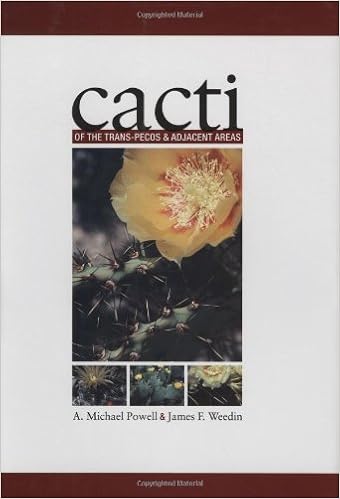
Opuntia and Cochineal Red Dye_________________
 |
| Scale insects on leaves, or paddles, of cactus produce a red acidic substance |
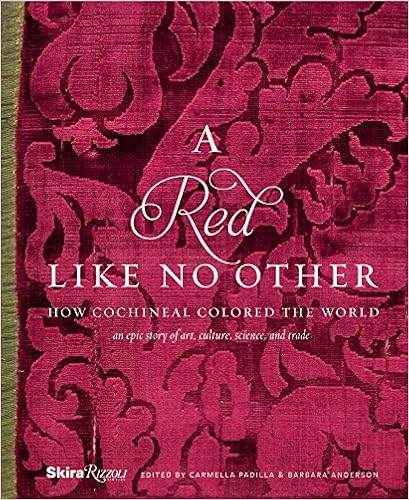
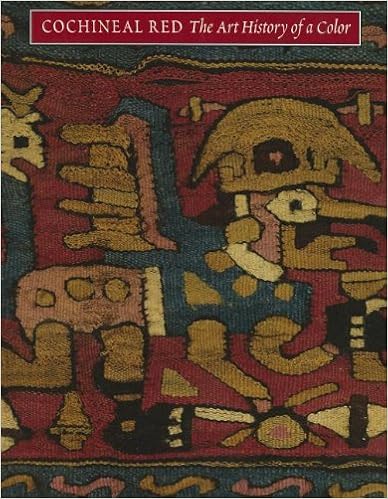
The cochineal is a scale insect, from which the natural dye carmine is derived. This insect lives on cacti in the genus Opuntia, feeding on plant moisture and nutrients. These insects are found on the pads of prickly pear cacti, then are brushed off and dried. The insect produces carminic acid that deters predation by other insects. Carminic acid, typically 17-24% of dried insects' weight, can be extracted from the body and eggs, then mixed with aluminium or calcium salts to make carmine dye, also known as cochineal. The carmine dye was used in Central America in the 15th century for coloring fabrics and became an important export good. This dye has been an important economic commodity and has created fascinating mysteries and intrigues. Three books I would suggest for further reading include:
 |
 |

© 2021 by Hyden Photography
for
Grassroots Horticulture
_____________________________________________________________________________________________________________________________________
______________________________________________________________________________________________________________________________________
No comments:
Post a Comment